Rich Textures: Using Green Leather Backgrounds in Design
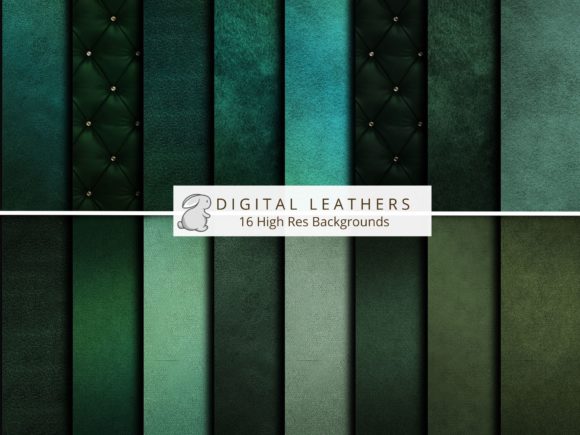
There is a specific kind of visual weight that only leather can provide. It suggests durability, luxury, and a certain timeless quality that synthetic materials often struggle to replicate. When you introduce color into that equation—specifically the deep, vibrant hues of emerald—you get a combination that commands attention without shouting. The Emerald Green Leather Background Collection is a prime example of this, offering a set of 16 distinct graphics that capture the depth and character of dyed hide. For designers and content creators looking to inject a sense of richness into their projects, understanding how to leverage these textures effectively is key to creating memorable visual experiences.
The Personality of the Material
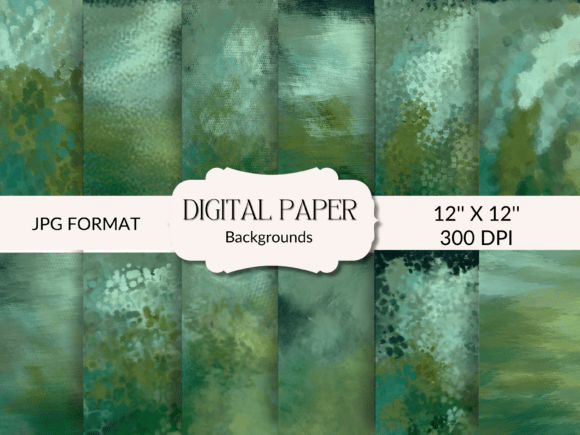
Green leather occupies a unique space in the design world. Unlike neutral browns or blacks, emerald green carries an inherent energy. It evokes nature, wealth, and sophistication simultaneously. However, because these are high-resolution textures at 300 dpi and 12 by 12 inches, they are not just flat colors; they are tactile landscapes. You will find natural imperfections, grain variations, and subtle shadows that give the surface a three-dimensional feel. This makes them incredibly effective as design assets for projects that need to feel "grounded" or tangible.
It is important to note the specific nature of this collection: these files are not seamless. For many digital applications, particularly those involving infinite scrolling or large-format web backgrounds, a seamless tile is usually preferred. However, the non-seamless nature of these backgrounds is actually a strength for specific use cases. It allows for a more organic, realistic look where the edges and contours of the leather sheet are part of the composition. This works beautifully for fixed-size prints, social media posts where the background fills the frame entirely, or overlay effects where a textured strip is used to break up flat design elements.
Strategic Applications for Marketers and Creators
The versatility of green leather backgrounds extends far beyond simple wallpaper. For entrepreneurs and small business owners, these textures can serve as a cornerstone for brand identity. Consider a high-end men’s grooming brand, a vintage bookshop, or a boutique coffee roaster. Using a green leather texture as the backdrop for logo design presentations or business cards immediately signals quality and heritage. It pairs exceptionally well with gold foil typography or crisp white sans serif font styles, creating a high-contrast visual hierarchy that is easy to read and pleasing to the eye.
In the realm of digital design, these backgrounds offer a refreshing break from the flat, minimalist trends that have dominated web design for the last decade. While minimalism has its place, textured backgrounds are making a comeback in modern typography layouts. Using a leather texture as a header image or a hero section background can add depth to a website without compromising load times if optimized correctly. For social media graphics, the texture acts as a grounding element. In a sea of bright, neon digital noise, a rich, tactile green background helps content stand out by offering a visual "rest" that still feels premium.
Pairing and Readability
One of the most critical aspects of working with textured backgrounds is ensuring readability. A busy texture can easily swallow text, rendering a message unreadable. When using the Emerald Green Leather Backgrounds, contrast is your best friend. Avoid placing thin, light-colored text directly over the darkest creases of the leather.
Instead, consider these practical approaches:
- The Overlay Technique: Place a semi-transparent dark overlay (black or deep charcoal at 40-60% opacity) over the leather before adding your text. This darkens the background just enough to make white text pop.
- The Cutout Method: Use the leather texture inside the letters of your headline. This works best with bold, heavy display font or serif font styles. The texture fills the letterforms, creating a debossed or stamped look that is highly effective for titles.
- Framing: Don't feel compelled to cover the entire background with text. Use the leather as a border or a frame around a central content area with a solid color. This highlights the texture's quality without interfering with the message.
Commercial Use and Project Fit
For those in editorial design or packaging design, the 300 dpi resolution is a significant advantage. This print-ready quality ensures that the textures remain sharp and detailed even when scaled for physical products. Imagine a menu for a steakhouse, a cover for a journal, or the packaging for a luxury candle; the leather texture adds a physical sensation to the visual experience.
When evaluating if this collection is the right fit for your project, consider the "mood" you are trying to set. Leather is inherently warm and tactile. It works best for projects that aim to feel established, reliable, or indulgent. It might be less suitable for ultra-modern, hyper-clean tech startups that rely on cold, geometric precision, but it is perfect for creative agencies, artisanal goods, and lifestyle brands.
Furthermore, the collection functions much like a premium font family in terms of utility. Just as you would review a typeface to see if it includes bold or italic versions, you should review these 16 images to find the one with the perfect lighting and grain for your specific layout. Some images might have more dramatic shadows, while others are flatter and more uniform. Testing different options is essential to finding the right balance for your specific graphic design needs.
Conclusion
Ultimately, the Emerald Green Leather Background Collection is more than just a set of pictures; it is a toolkit for adding emotional resonance to your work. By understanding the material's characteristics and applying thoughtful design principles regarding contrast and composition, you can transform a simple graphic into a powerful branding tool. Whether you are crafting a social media campaign, designing a wedding invitation, or building a brand from the ground up, these textures provide a solid, sophisticated foundation that speaks volumes about the quality of the final product.